Housing

Adjusted living or supported living for autistic adults provides tailored accommodation alongside personal, environmental and behavioral care to ensure independence and quality of life. These options range from self-contained flats with drop-in support to 24/7 specialised residential care.
Types of Housing and Care Models

Supported Living / Assisted Living
The individual signs their own tenancy agreement for a house, flat or bungalow. Care staff visit at scheduled times to assist with daily tasks like cooking, bills and accessing the community.

Shared Living
Living in a shared house with other autistic housemates or individuals with similar needs. This helps manage costs and builds community while preserving individual bedrooms.

Residential Care
This offers a highly structured environment with 24/7 specialised support. It is best suited for individuals with complex needs, medical requirements or behaviors that require intensive supervision.
Stepping-Stone or Transitional Accommodation
Temporary placements designed to teach essential independent living skills before moving into a permanent home.

Homeshare Schemes
Matching an autistic adult with someone who provides safe companionship and minor home help in exchange for affordable accommodation.
Common Environmental and Support Adjustments
To create an effective autism-friendly home, providers and landlords typically integrate specific physical and sensory adjustments

Sensory Architecture
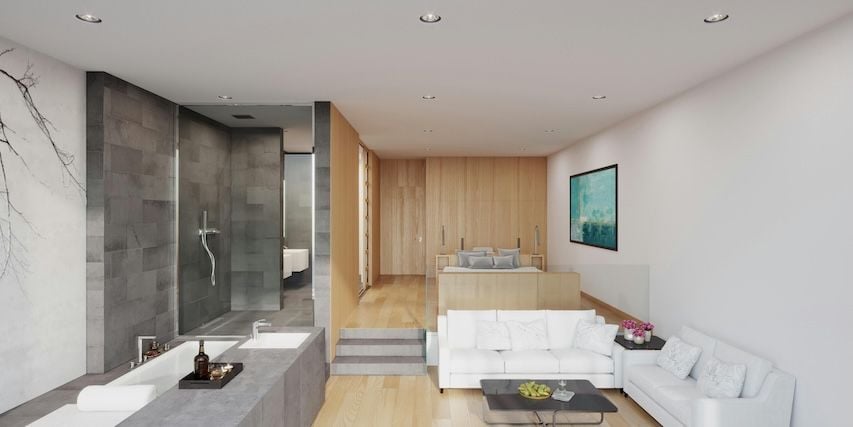
Low-arousal spaces featuring muted colors, dimmable lighting, soundproofing and designated "de-escalation" or sensory rooms.
Routine Management
Support frameworks built entirely around predictable daily schedules and consistent staff rotations.
Durability Upgrades
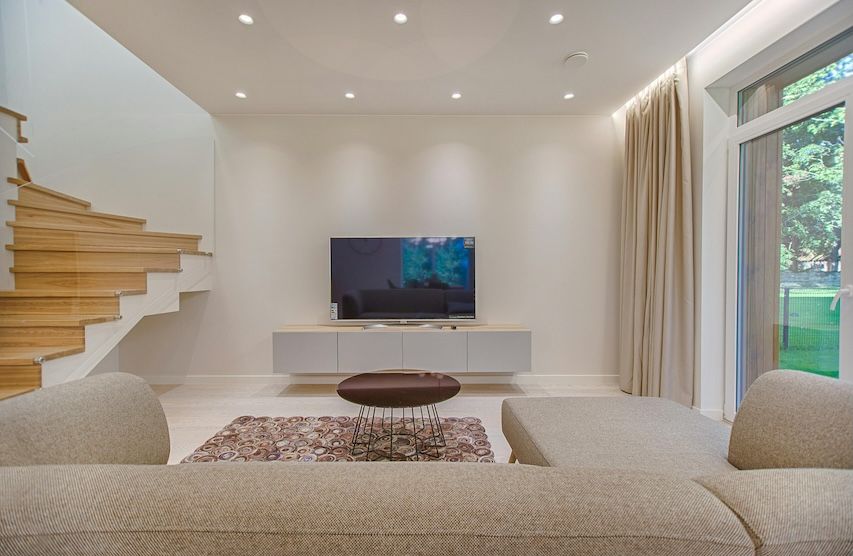
Using robust materials for furniture, walls and fixtures to ensure safety and longevity in homes supporting high-intensity behavioral needs.
Assistive Technology
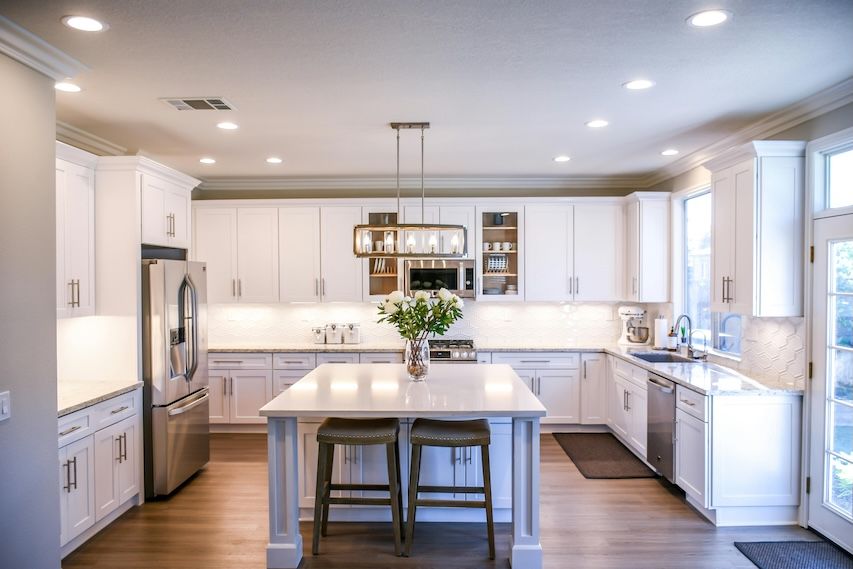
Installing smart home technologies, emergency alert systems and automated safety cut-offs for kitchen appliances.
How to Access and Fund Adjusted Housing
Request a Care Needs Assessment: Contact your local authority's social services department. They legally evaluate the individual's everyday support requirements to determine eligibility for funded housing care.
Apply for Capital and Adaptation Grants: If modifying a private or social rental home, you can apply for a GOV.UK Disabled Facilities Grant.
Utilise Welfare Benefits: Eligible individuals often use a personal budget from social services, Personal Independence Payments (PIP) or Local Housing Allowance (LHA) to cover rent and the cost of care teams.
Consult Specialist UK Providers: Dedicated organisations such as the Supported Living Services, Achieve together, Voyage Care, and Lifeways manage specialised properties and provide accredited care personnel across the UK.