Mental Wellbeing
Autism is a lifelong neurodevelopmental condition, not a mental health problem but autistic individuals face significantly higher risks of experiencing poor mental health. Research from charities like Autistica shows that roughly 7 out of 10 autistic people live with a co-occurring mental health condition, most commonly anxiety and depression. These struggles do not stem from autism itself but rather from the chronic stress of navigating a world not designed for neurodivergent needs.
Key Drivers of Mental Distress
Social Masking
Suppressing natural behaviors or mimicking neurotypical peers to fit in causes profound exhaustion and eventual burnout.

Sensory Overload
Constant exposure to overwhelming sensory environments (e.g., bright lights, loud noises) triggers the body's fight-or-flight response.

Systemic Barriers
Severe delays in diagnosis, lack of public understanding and a shortage of adapted mental health services compound psychological distress.

Actionable Strategies for Managing Wellbeing
Sensory Management
Block Triggers
Use noise-cancelling headphones, earplugs or sunglasses to manage overwhelming environments.

Designate Safe Spaces
Set up a dedicated, low-stimulus recovery area at home.

Build a Self-Soothe Box
Pack a box with comforting items like fidget tools, weighted items or familiar scents.
Routine & Energy Management

Schedule Decompression Time:
Deliberately block out periods of absolute rest following high-energy social or professional events.

Maintain Visual Schedules
Build predictable routines to reduce cognitive overload and uncertainty.
Engage with Special Interests
Dedicate uninterrupted time to passionate hobbies to recharge your mental battery.
Rewriting Social Connections
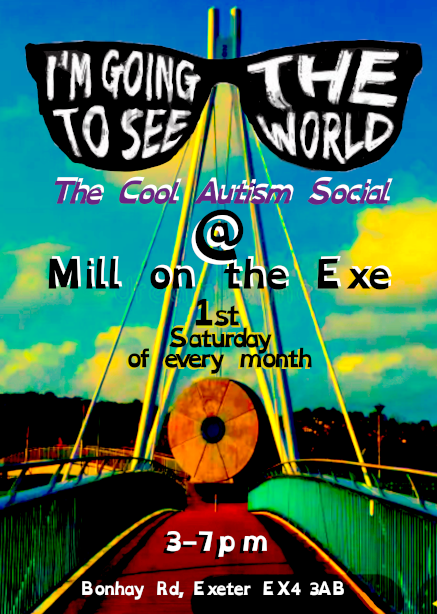
Prioritise Peer Support
Seek out neurodivergent or autistic-led communities where you can drop the mask and avoid judgement.
Exeter 1st Saturday of the Month
3-7pm Mill on the Exe. Chat and refreshments. Casual, come and go as you please - No pressure. That's it!
Newton Abbot 2nd Saturday of the Month
1-5pm. Meet at Newton Abbot Train Station. an activity followed by at 3pm ending up at CWTCH cafe and community Hub for refeshments, chat and even a game of pool. Dead cool!
From September it will continue from 5pm to 7Pm with live entertainment.
East Devon 3rd Saturday of the Month
1-5pm. Different train stations on the Exe Estury meet up followed by a very short walk to sit and do Art (materials supplied) or not, just chill, listen to earbuds, read a book or do nothing! Then go for local refeshments or just bring your own. Super relaxed!
Barnstaple 4th Saturday of the Month
1-5pm. Meet at Barnstaple Train Station. an activity fo;;owed by ending up at refreshments, chat and Chill!
Accept Social Solitude
Give yourself permission to choose quality over quantity in relationships or spend time alone without guilt.
Radical Acceptence
Radical acceptance of an autism diagnosis means acknowledging your neurotype without judgment or shame. It requires unlearning a lifetime of forcing a naturally autistic brain to fit into a neurotypical mold. This shifts your energy away from self-blame and toward honoring your unique sensory and communication needs.
Coming to terms with your diagnosis is not an instant, joyous event; it is an active emotional process. Understanding how to navigate this journey involves several key steps
Allow Yourself to Grieve
Many diagnosed individuals experience a period of grief—not mourning who they are but mourning the "lost years" spent feeling broken, misunderstood or burnt out from hiding their true selves. Radical acceptance means allowing yourself to feel this sadness without judgment, validating the struggles you have endured.


Unpack Internalised Ableism
Ableism is the belief that neurotypical standards of functioning are the only right or "normal" ways to live. Forcing an autistic person to act neurotypical is like trying to run an Apple program on a Windows computer; it just will not work and will eventually cause the system to crash. Radical acceptance is letting go of the idea that you should constantly conform to a world not built for your brain.
Drop the Mask
Masking is the exhausting habit of consciously or unconsciously hiding your autistic traits to fit in, such as suppressing the urge to stim (repetitive physical movements or sounds that help self-regulate). Practice unmasking by slowly giving yourself permission to honor your limits. It is entirely okay to wear earplugs in loud places, leave social events early or skip conversations that drain your energy.

Forgive Your Past Self
Before knowing you were autistic, you likely judged yourself for having meltdowns, needing extra downtime or struggling with tasks others found easy. Radical acceptance requires self-forgiveness. Acknowledge that you were doing the best you could with the energy and knowledge you had at the time.
Find Your Neurokindred
Connecting with other autistic adults can be incredibly validating. Hearing others share similar experiences of sensory overload and social confusion helps dismantle shame and proves that you are not alone.

Accessing Tailored Professional Support
When seeking therapy, generic approaches can sometimes be ineffective or counterproductive if they are not adapted.
Research their credentials particularly whether you FEEL they are the right fit for yourself.
Check off their list of areas of expertise and make sure they meet what YOU want to explore.
Short list 3 and check if you are proposing face to face that you can easily travel to and from their practice.
Request a telephone call and anticipate 20-30 minutes conversation at no cost to yourself. Pre Prepare 5-10 questions if you don't feel confident. Really question their background and expertise on the main core subject they say they cover that you want to explore. Make sure that YOU feel confident that they know about what YOU want to talk about and they have not ticked a box because they read a book, this is not an expert and should be avoided at all cost.
YOU are interviewing THEM as much as, if they are being honest, they feel they can help you rather than just take your money. There are bad people in ALL aspects of life so you cannot just assume you can trust someone just because they say they are a therapist. Trust will naturally build up over time and it will take time even with the best. A healthy relationship with a therapist is a 2 way process built up in a safe, confidential environment.
Take your time choosing someone, don't rush in. It is so important to find someone in an environment they created that YOU feel comfortable in.
Also if you do start with someone and you do not feel you are not clicking or benefiting from their services then have the confidence to stop, walk away and look for somebody else. It might be that you have to learn what YOU want as much as whether someone was not right and that is totally fine, to be expected and if this happens you are not wasting anybody's time. This is about YOU exploring and hopefully finding a more peaceful place for you to sit with yourself in life.
Requesting Reasonable Adjustments
When booking an appointment with a GP or therapist, you have the right to request basic communication and environmental adaptations:
Ask for written information or visual schedules ahead of sessions.
Request that the therapist dim room lighting or allow you to use stim toys.
Demand longer processing times to answer questions during evaluation.